
 2026-07-05 12:53:48
By


From water treatment and mining to HVAC and conveyor systems, industries across the board face a common challenge: traditional induction motors consume far more energy than the actual load demands. Under part-load conditions which account for the majority of operating hours standard AC induction motor efficiency can drop to 60–70% (actual values vary by motor power rating; small motors at very low load may reach this range, while medium and larger industrial motors typically maintain 80–88% efficiency at part load). This energy loss may not be visible on a specification sheet, but it is unmistakable on the electricity bill.
The solution, while requiring system-level adaptation (VFD selection, control system commissioning, mechanical interface integration), is built on a mature core alternative: Permanent Magnet Synchronous Motors (PMSMs), and where appropriate, pairing them with direct-drive systems that eliminate gearboxes and mechanical couplings entirely. However, for most OEMs and system integrators, the real challenge lies in finding the right PM motor supplier — one that can engineer to specification, deliver at scale, and provide quality assurance throughout the product lifecycle.
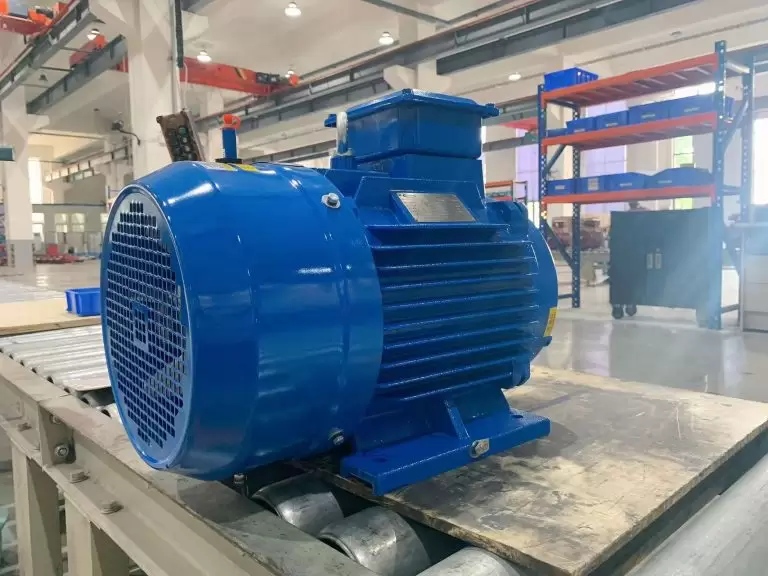
Most industrial motors operate at 40% to 75% of rated load for the majority of their service life. Under these operating conditions, standard induction motor efficiency drops significantly, rotor slip increases, and power factor degrades. To illustrate: with a part-load induction motor efficiency of approximately 86% versus 96% for an equivalent PMSM, a 10-percentage-point efficiency gap for a 75 kW motor running 6,000 hours per year translates to approximately 45,000 kWh of additional energy consumption annually.
The cumulative effect across the large number of motors in a manufacturing plant or municipal pump station is substantial and largely addressable.
Gearboxes, belt drives, and couplings all introduce transmission losses, typically 3% to 8% per stage. In multi-stage systems, these losses compound rapidly. Beyond wasted energy, mechanical wear leads to more frequent maintenance cycles, unplanned downtime, and higher spare parts inventory costs all of which erode operating margins.
Direct-drive PM motor systems eliminate the intermediate transmission chain. The motor shaft connects directly to the load, delivering torque at the exact required speed with no mechanical losses in between.
Modern PMSMs built with high-grade rare-earth neodymium magnets can achieve IE4 or IE5 efficiency levels at full load. In the medium-to-high power range (37 kW and above), efficiency typically reaches 96% to 97.5% across a wide speed range. More importantly, they maintain high efficiency at part load which is precisely where industrial energy savings are realized.
In low-speed, high-torque operating conditions, a well-designed PMSM offers significantly higher torque density than an induction motor of the same frame size, enabling more compact drive system designs without sacrificing output power. This is especially critical for low-speed, high-torque applications such as conveyors, mills, crushers, and direct-drive fans.
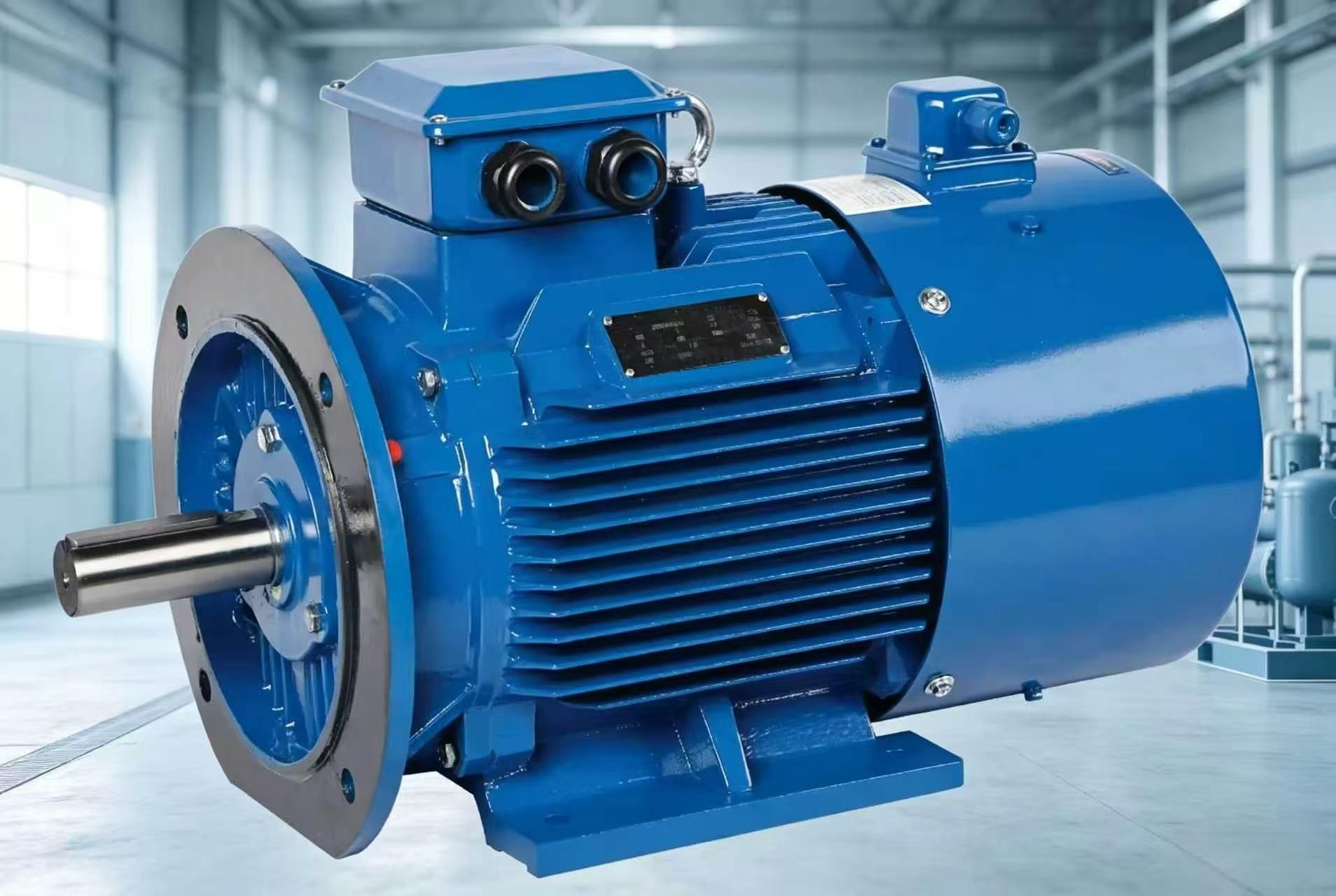
Because PMSMs eliminate rotor copper losses (the dominant loss mechanism in induction motor rotors), they generate less heat under the same load conditions. This reduces thermal stress on the insulation system and extends bearing life. For applications in harsh or remote environments where maintenance access is limited, this reliability advantage translates directly into lower total cost of ownership.
ENNENG is a B2B industrial equipment manufacturer serving global industrial customers, specializing in high-efficiency permanent magnet motors and direct-drive transmission systems. Our engineering team engages from the specification phase onward, ensuring every motor design is matched to the target application’s load profile, duty cycle, and environmental conditions.
Standard catalog motors rarely meet real-world application requirements with precision. ENNENG provides a full suite of custom PM motor design services, including stator winding optimization, rotor geometry, magnet grade selection, and housing configuration tailored to OEM specifications.
Our manufacturing facility supports both prototyping and high-volume production, with all engineering iterations handled in-house to ensure schedule control and quality consistency across the supply chain. For OEM partners requiring private-label or own-brand motor solutions, we offer complete white-label manufacturing services backed by full technical documentation.
Every ENNENG permanent magnet motor undergoes multiple quality inspection stages, including:
Our quality system is designed to support customers who require motor performance traceability for end-customer audits or regulatory compliance.
A municipal water authority operating a large pump station had been experiencing persistent gearbox maintenance issues with its legacy pump drive systems. The gearboxes required scheduled overhauls every 18 months, while unplanned failures added to downtime costs.
The replacement solution deployed a direct-drive PMSM matched to the pump’s operating curve, eliminating the gearbox entirely. The PMSM runs at the pump’s required shaft speed without reduction gearing and maintains IE4 efficiency across the full load range. Since commissioning, the station has reported an approximately 18% reduction in annual energy consumption (based on customer feedback and project operating records) and the elimination of gearbox-related maintenance events.
This outcome is consistent with the operating characteristics of direct-drive PMSM systems in pump, fan, and compressor applications, where the combination of variable-speed control and high part-load efficiency delivers measurable lifecycle savings.
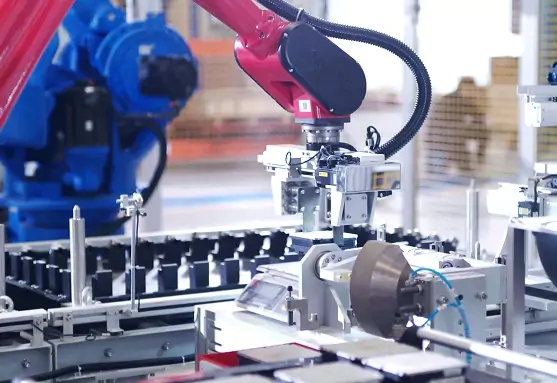
Choosing a PM motor supplier is a supply chain decision, not merely a product purchase. The factors that determine long-term value include:
ENNENG’s engineering and manufacturing system is focused on delivering end-to-end technical support from specification development to volume delivery — for OEM customers operating in demanding industrial markets.
If your existing drive systems are underperforming in energy efficiency, incurring excessive maintenance costs, or failing to keep pace with evolving process demands, a PMSM solution warrants serious consideration.
Contact ENNENG to discuss your application requirements. Our engineering team will review your load characteristics and operating conditions, and provide a PMSM or direct-drive system recommendation matched to your specifications.
Email: sales@enpmsm.com | Website: www.enpmsm.com
A: A PMSM uses rare-earth magnets to generate the rotor magnetic field, eliminating rotor copper losses and delivering higher efficiency compared to standard induction motors, particularly under part-load operation.
A: Yes. ENNENG provides a full suite of custom PMSM design and OEM manufacturing services, from single prototypes to high-volume production, with complete technical documentation.
A: ENNENG PMSMs are designed to meet IE4 (Super Premium Efficiency) and IE5 (Ultra Premium Efficiency) standards, verified through IEC-compliant performance testing.
A: Direct-drive PMSM systems are suited for pumps, fans, compressors, conveyors, mills, and other low-speed, high-torque industrial loads, where eliminating the gearbox improves reliability and reduces energy consumption.
A: MOQ varies by motor specification. Please contact our sales team with your application details, and we will develop a tailored production plan and lead time estimate.