 2026-08-28 16:51:48
By


In the modern industrial landscape, engineering teams face a persistent trilemma: increasing output demands, escalating energy costs, and the physical limitations of legacy induction systems. For high-speed applications like centrifugal compressors or demanding energy recovery systems, traditional motors often fall short suffering from excessive rotor heat, mechanical friction in gearboxes, and significant excitation losses.
These pain points are not merely operational hurdles; they are direct drains on a company’s bottom line. ENNENG addresses these challenges head-on by re-engineering the drive system from the ground up. As a specialised developer and permanent magnet motor manufacturer, ENNENG provides high-efficiency permanent magnet synchronous motor (PMSM) solutions that eliminate the inefficiencies of induction, offering a pathway to industrial energy independence.
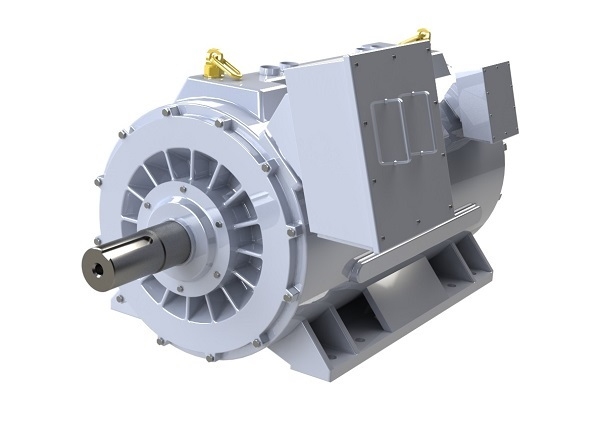
The core advantage of a permanent magnet motor lies in its rotor design. Unlike asynchronous motors that require current to generate a magnetic field in the rotor (causing I²R losses), a PMSM utilises high-energy NdFeB (Neodymium Iron Boron) permanent magnets. This transition to “self-contained” magnetism eliminates excitation loss, which is the primary driver of motor overheating and inefficiency.
At ENNENG, our TYB and TYP series motors are engineered to meet and exceed IE4 and IE5 efficiency standards. By utilising a specialised rotor structure, we significantly reduce iron loss and stray loss. For a B2B operator, this translates to a 5-10% increase in overall system efficiency and a power factor improvement of over 15%. Because these motors maintain high efficiency even at 20% load, they are ideal for variable-load industrial environments where traditional motors waste vast amounts of energy.
When moving into the realm of high-speed applications such as turbo-blowers, high-speed pumps, and CNC spindles the high-speed magnetic motor becomes an essential component. Traditional motors requiring a gearbox to reach speeds above 3,600 RPM introduce mechanical complexity, noise, and maintenance-intensive lubrication systems.
Designing a high-speed magnetic motor requires precise engineering to handle extreme centrifugal forces. ENNENG’s high-speed solutions utilise high-strength carbon fibre or stainless steel sleeves to secure the permanent magnets against the rotor core, ensuring structural integrity at speeds exceeding 20,000 RPM. Furthermore, our customised cooling jackets (liquid or air-cooled) ensure that even under high-frequency operation, the magnet temperature remains well below the demagnetisation threshold, guaranteeing long-term reliability.
Every high-speed application has a unique torque curve. ENNENG’s R&D team, drawing expertise from the National Rare Earth Permanent Magnet Engineering Centre, specialises in tailoring the electromagnetic design to match the specific load characteristics of the client’s machinery. This bespoke approach ensures that the drive system operates at its peak efficiency point, reducing vibration and extending the lifespan of the entire equipment train.
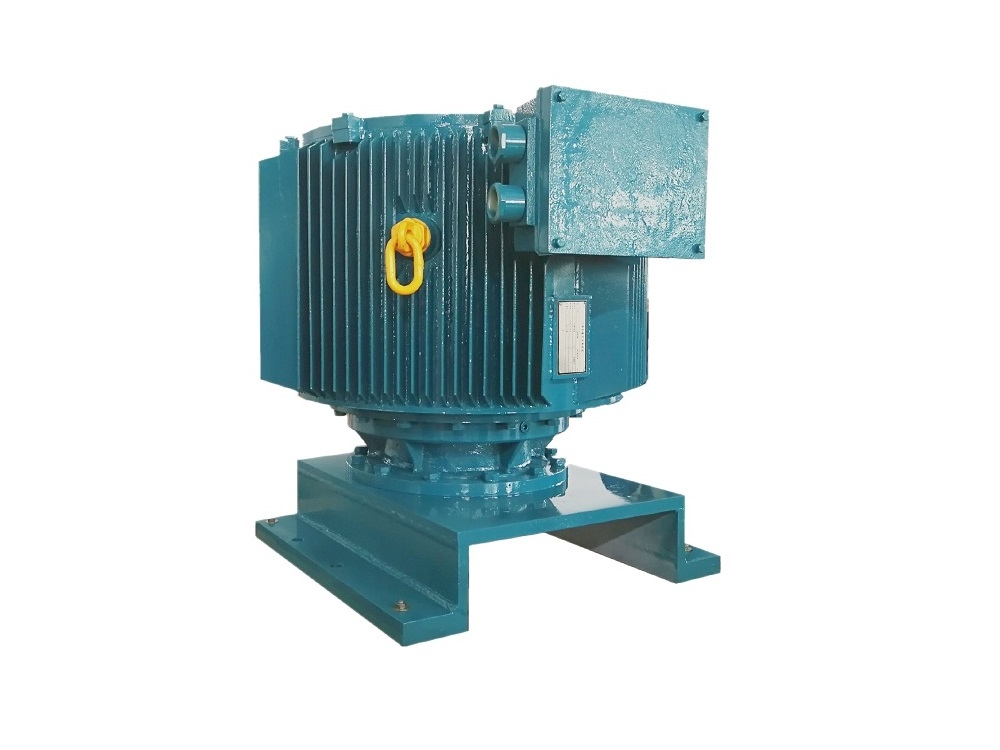
A critical but often underutilised feature of PMSM technology is its inherent symmetry. Engineers frequently ask: how does an electric motor work as a generator in an industrial context? The answer lies in electromagnetic induction. When an external prime mover (such as a steam turbine, a wind blade, or a downhill conveyor) rotates the permanent magnet rotor, the moving magnetic field induces a voltage in the stator windings.
Utilising an electric motor as a generator is particularly effective in energy recovery systems. Because there is no need for an external excitation current to “start” the magnetic field, permanent magnet generators (PMG) are significantly more efficient at low speeds and partial loads compared to traditional alternators.
In applications like organic Rankine cycle (ORC) waste heat recovery or small-scale hydropower, ENNENG’s permanent magnet technology provides a high power density solution. The ability to function as an electric motor or a generator allows industrial plants to capture kinetic energy that was previously wasted, converting it back into grid-quality electricity. This dual-mode capability provides a rapid return on investment (ROI) for companies looking to enhance their green manufacturing credentials.
To demonstrate the real-world impact of ENNENG technology, consider our recent project for a large-scale gold mine in Shandong. The facility relied on traditional asynchronous motors for its ventilation and air compression systems—critical components that operated 24/7 but consumed nearly 40% of the site’s total energy.
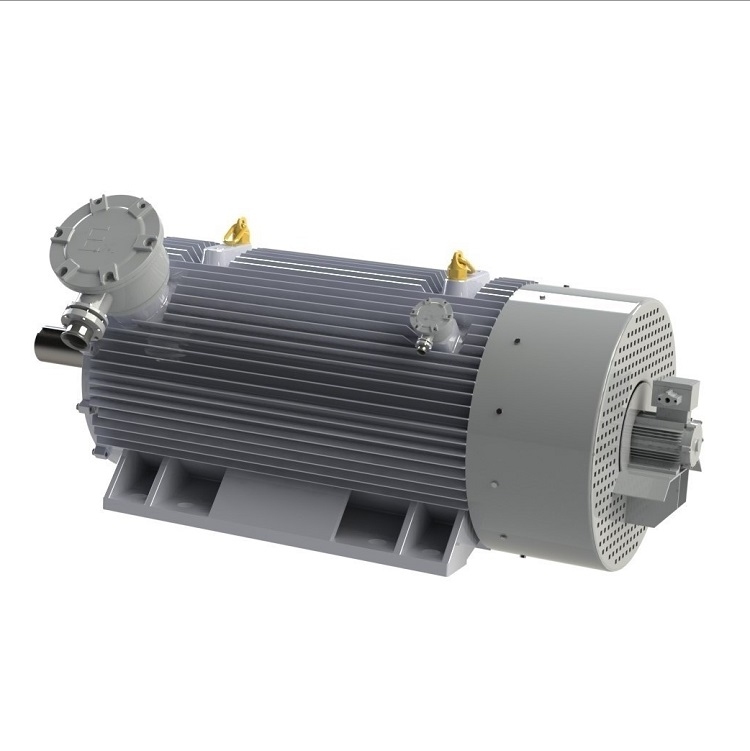
ENNENG implemented a tailor-made TYPCX series permanent magnet motor solution to replace the existing 315kW induction motors.
1.Direct Drive Integration: We eliminated the need for several intermediate transmission parts, reducing mechanical failure points.
2.Efficiency Gains: Post-installation data showed a sustained energy saving of 12.5%.
3.Thermal Stability: The operating temperature dropped by 15°C, significantly reducing the load on the facility’s cooling infrastructure.
This case proves that high-performance manufacturing, backed by robust R&D, can transform high-cost industrial legacy systems into lean, efficient operations.
Choosing the right permanent magnet motor manufacturer is about more than just purchasing hardware; it is about partnering with a technical team that understands the nuances of industrial drive systems. ENNENG stands out through:
Engineering Depth: Our technical leads are veterans of national-level magnetics research, ensuring every motor is optimised for magnetic flux density and thermal resilience.
Quality Assurance: We use premium NdFeB magnets with high intrinsic coercivity to prevent demagnetisation under harsh industrial conditions.
Bespoke Drive Solutions: We do not believe in one-size-fits-all. From voltage levels (380V to 10kV) to specialised mounting dimensions, we customise the motor to fit your existing footprint.
The transition to permanent magnet technology is the most effective way for modern B2B enterprises to decouple industrial growth from rising energy costs. Whether you are seeking a high-speed magnetic motor for precision manufacturing or looking to implement an electric motor as a generator for energy recovery, ENNENG provides the engineering excellence required to succeed.
Optimise your industrial drive system today.Contact ENNENG for a Customised Motor Solution
A: A permanent magnet motor eliminates rotor copper losses (excitation losses) by using permanent magnets, whereas induction motors waste energy generating a magnetic field. This results in 5-10% higher efficiency and a significantly better power factor.
A: Yes. ENNENG specialises in direct-drive high-speed motors that can reach high RPMs natively, eliminating the noise, maintenance, and energy loss associated with mechanical gearboxes.
A: When a PMSM rotor is spun by an external force, the permanent magnets induce a current in the stator. This allows the motor to act as a high-efficiency generator for waste heat recovery or regenerative braking.
A: Absolutely. As a specialised permanent magnet motor manufacturer, we provide tailor-made services to match the frame size and mounting requirements of your existing equipment, ensuring a seamless upgrade.