
 2026-07-28 15:13:54
By


In today’s industrial landscape, energy efficiency is no longer an elective it is a survival requirement. Industrial facilities frequently encounter significant operational hurdles: skyrocketing electricity costs, the high failure rates of traditional gearboxes, and the inherent energy losses associated with conventional induction motors. For many enterprises, the industrial synchronous motor has been a staple, yet its limitations in efficiency and maintenance often lead to hidden costs. ENNENG addresses these pain points directly. As a high-tech enterprise specialising in the R&D and manufacturing of high-efficiency permanent magnet motors, we provide tailored drive solutions that eliminate excitation losses and mechanical redundancies.
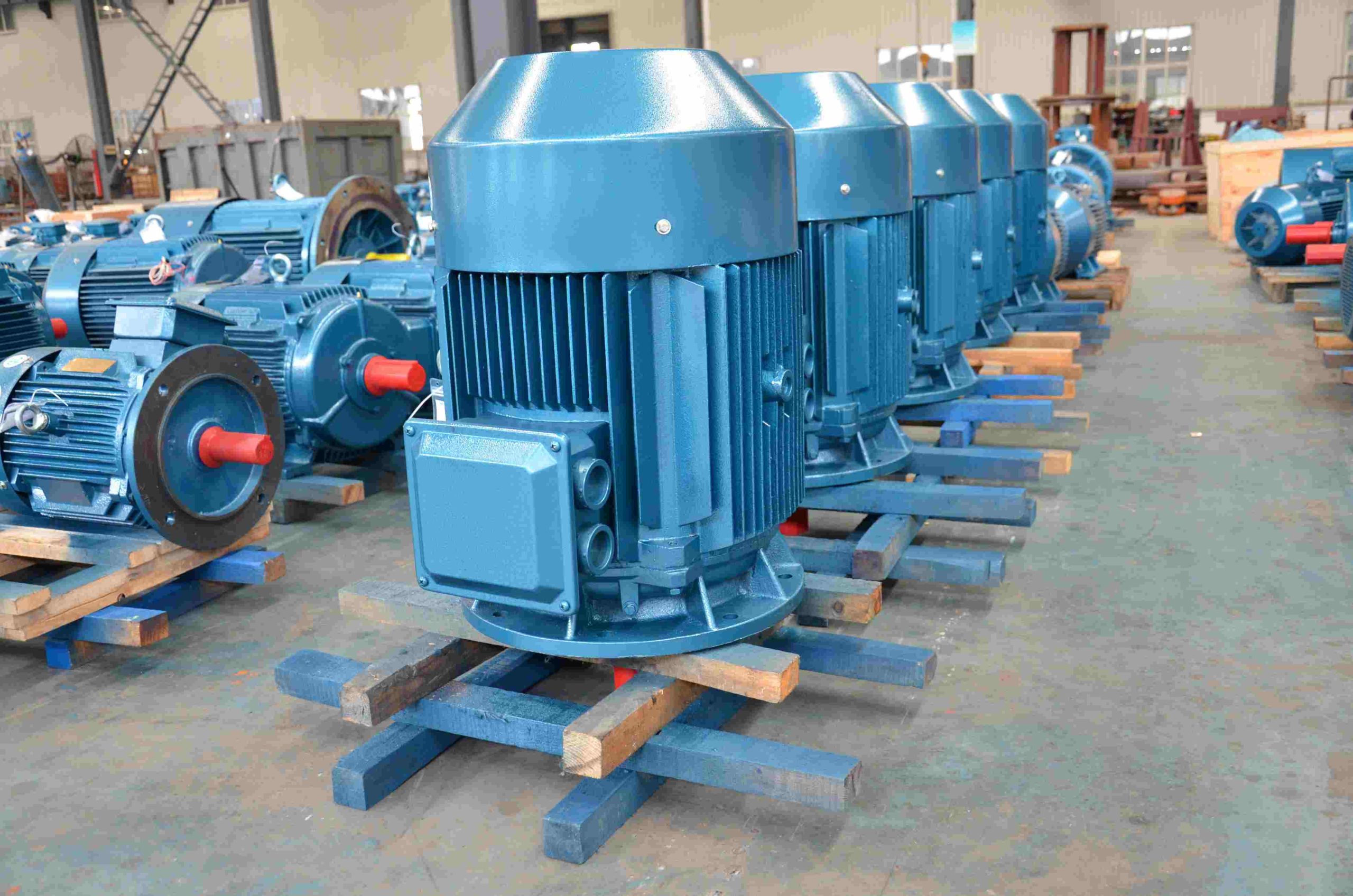
To evaluate modern drive solutions, one must first ask: what is a synchronous motor? In the broadest sense, it is an AC motor where the rotation of the shaft is synchronised with the frequency of the supply current. Traditionally, an industrial synchronous motor relies on an external DC power source to provide excitation through slip rings and brushes to the rotor. While effective for maintaining a constant speed under varying loads, the mechanical complexity and energy consumption of the excitation system often result in lower overall system efficiency and higher maintenance demands in harsh environments.
Advancing this technology further, we must define what a PMSM motor (Permanent Magnet Synchronous Motor). A high-efficiency PMSM motor is a type of synchronous motor that uses high-performance NdFeB (Neodymium Iron Boron) permanent magnets embedded in the rotor instead of electrical windings. Because the magnetic field is provided by permanent magnets, the rotor requires no excitation current, effectively eliminating rotor copper loss and significantly reducing heat generation.
When comparing PMSM motor vs synchronous motor solutions, the differences in construction and performance are profound.
The primary advantage of a high-efficiency PMSM motor lies in its superior energy profile. While a standard industrial synchronous motor or asynchronous motor must absorb reactive current from the grid to create a magnetic field, the PMSM is self-excited. This allows the motor to maintain a power factor of up to 1.0, whereas asynchronous alternatives often peak at 0.86. In practice, this means a high-efficiency PMSM motor from ENNENG can reduce operating currents by over 10%, leading to significant energy savings even at light loads.
Thermal performance is another critical differentiator in the PMSM motor vs synchronous motor debate. Because there is no induced current in the rotor, a PMSM typically operates at a temperature 20K lower than a conventional induction motor. This thermal efficiency allows for a more compact design; a high-efficiency PMSM motor is often one or two frame sizes smaller than its asynchronous counterpart, saving valuable installation space without sacrificing torque.
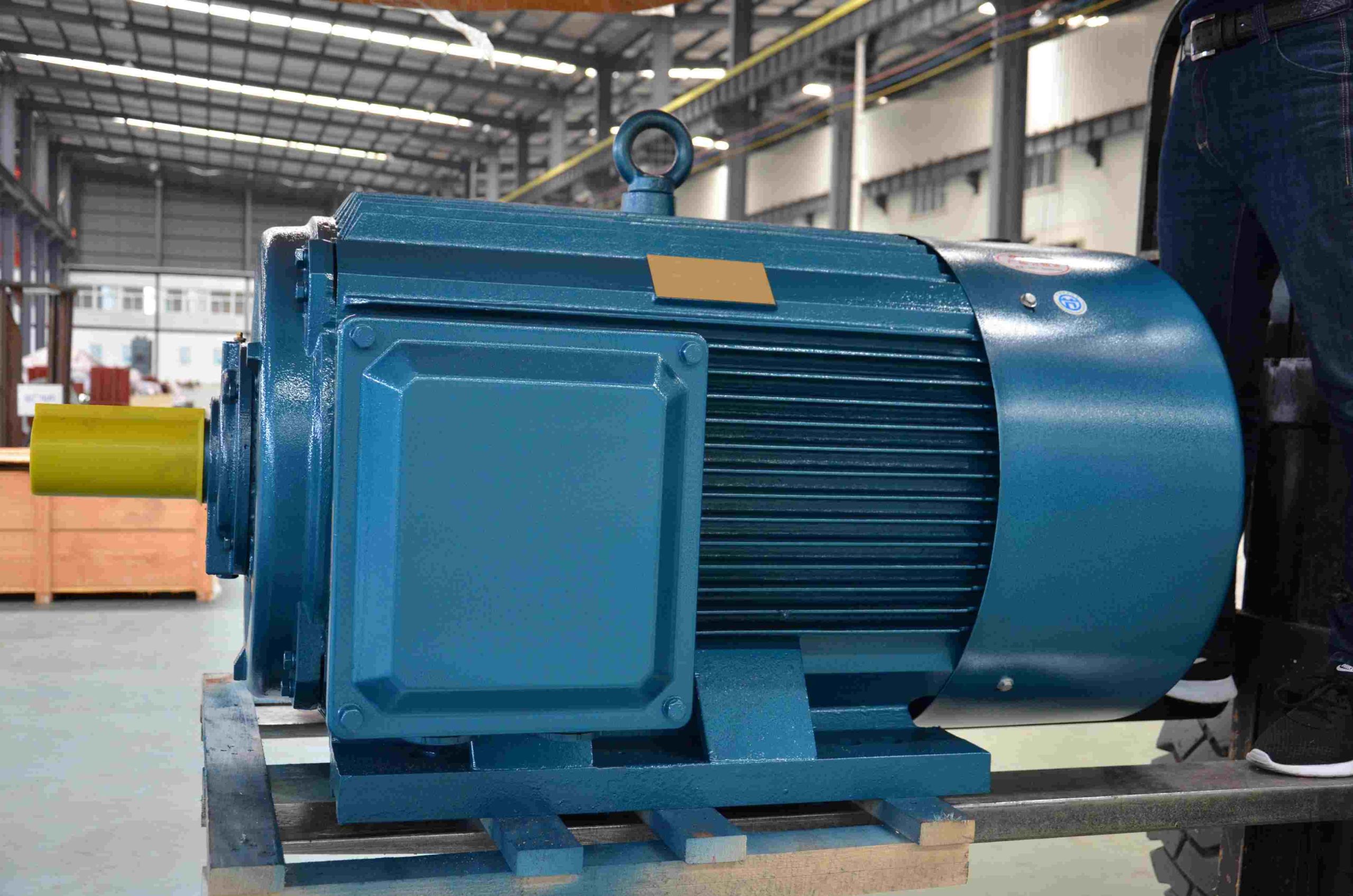
The shift toward PMSM technology is driven by the demand for “Green Production.” ENNENG motors are engineered to meet and exceed IE4 and IE5 efficiency standards.
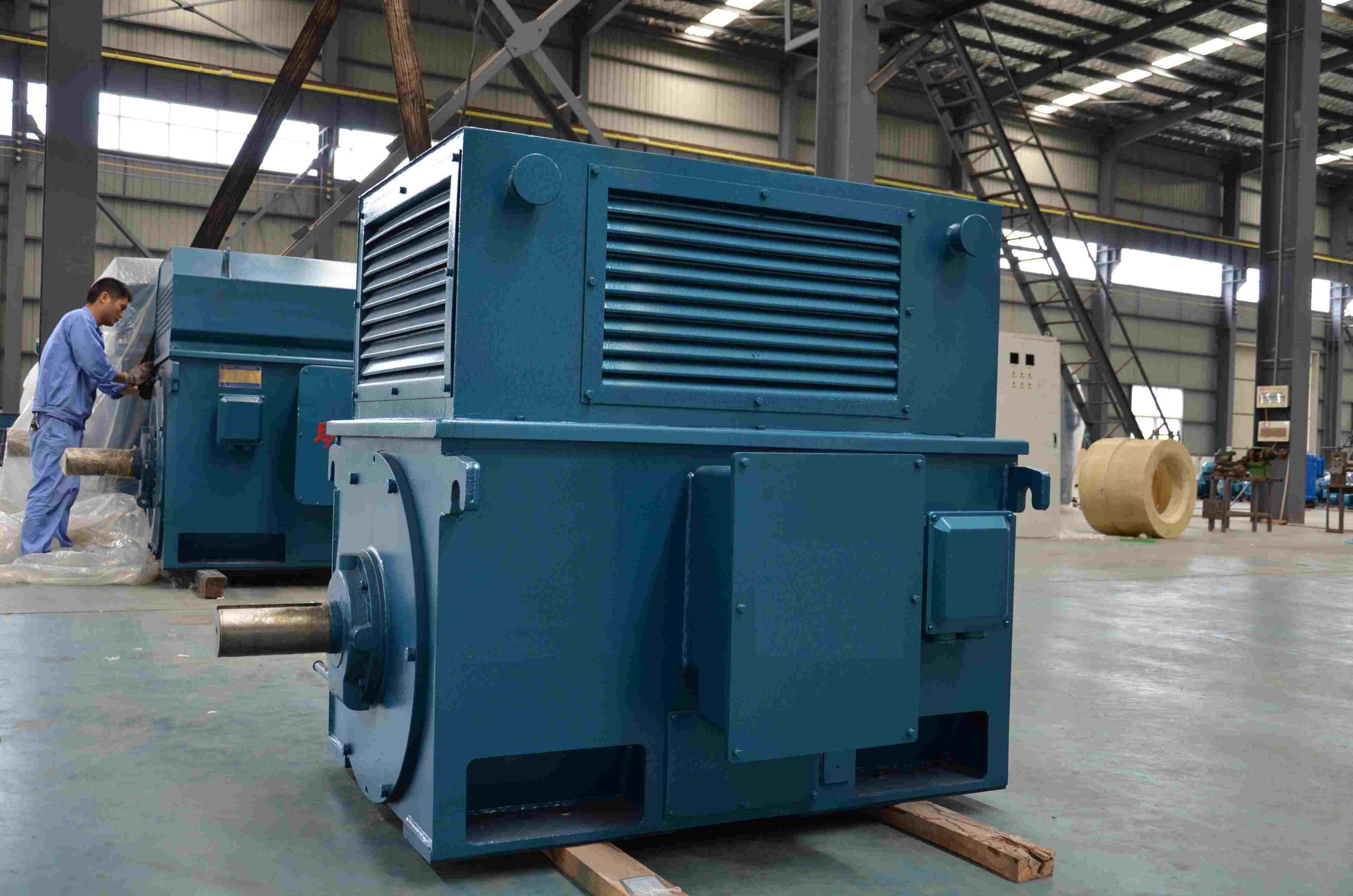
At ENNENG, we recognise that no two industrial applications are identical. Our R&D team, backed by dozens of patents and collaborations with top national research centres, excels at providing tailor-made permanent magnet motor services. Whether you require an explosion-proof motor for oil fields or a high-voltage motor (6kV/10kV) for heavy metallurgy, we customise the electrical and mechanical parameters to fit your existing infrastructure perfectly.
Furthermore, our expertise extends to power generation. The ENNENG permanent magnet generator is a testament to our technical versatility. These generators are widely used in wind power, small hydropower stations, and mobile emergency power units. Absorbing the merits of global designs, the ENNENG permanent magnet generator offers reliable parallel and grid-connected operation, ensuring high-quality power output for offshore platforms and island stations.
To demonstrate the reliability of our technology, consider our impact on the Rubber Tire Machinery Industry. Traditionally, tyre equipment utilised DC motors or asynchronous motors with reducers, both of which are energy-intensive and maintenance-heavy.
ENNENG replaced these legacy systems with high-efficiency PMSM motor direct-drive solutions for leading groups like Sinopec and Linglong Tire. The results were definitive:
Energy Savings:Customers reported a power saving rate between 7% and 40% depending on the process formula.
Operational Stability:The elimination of the gearbox reduced vibration and mechanical noise significantly, creating a safer and quieter workspace.
System Longevity:With lower temperature rises and fewer rotating parts, the service life of the drive system was extended, drastically reducing downtime.
In air compressor applications, the combined use of an ENNENG motor and a VFD system has achieved electricity savings of up to 50%, showcasing our ability to transform energy-intensive utilities into lean operations.
In the comparison of PMSM motor vs synchronous motor, the high-efficiency PMSM is the clear choice for forward-thinking industrial leaders. ENNENG is more than a manufacturer; we are a strategic partner in industrial energy conservation. From the standard TYB series to the high-performance ENNENG permanent magnet generator, our products are designed for “Precision Performance”.
If you are looking to upgrade your drive systems or require a customised motor solution for a new project, our experienced engineers are ready to provide an effective, high-quality solution tailored to your needs.
Contact Us Today. Experience the difference of ENNENG high-efficiency technology.
WhatsApp: +86 18562780228
Email: sales@enpmsm.com
Website: www.enmotor.com
A: Yes. We offer general-type PMSMs with universal frame sizes that ensure good interchangeability with traditional motors.
A: Depending on the application, industrial systems typically save between 5% and 30%, with some cases like air compressors reaching up to 50%.
A: Yes. A PMSM requires a dedicated frequency converter or controller to synchronise the stator’s magnetic field with the rotor’s permanent magnets.
A: Our generators are built with high-grade materials and optimised for reliability, making them ideal main or standby equipment for offshore drilling and marine stations.