
 2025-11-07 11:50:29
By


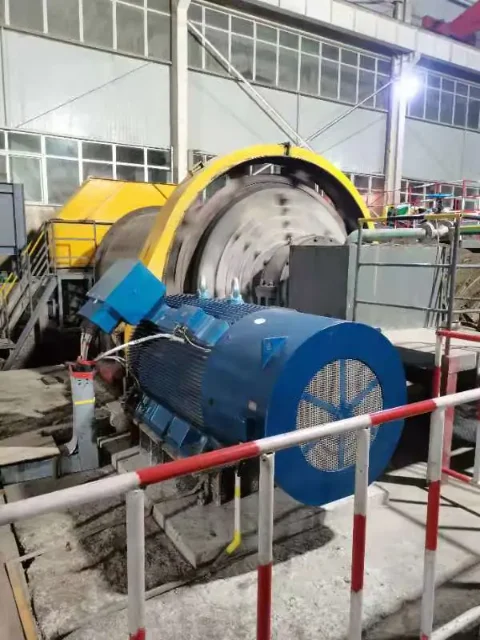
Grinding mills are energy-hungry machines. Ball and SAG mills draw enormous torque for long hours, sometimes running non-stop for days. Even a tiny efficiency loss can turn into thousands of dollars wasted each month. For most plant managers, the math is simple: every kilowatt saved is profit kept. You care about numbers — how many kWh it takes per tonne, how much heat builds up in the motor room, and how often maintenance crews stop production to deal with failures.
Mills are simple in concept—rotate a drum, lift media, drop it, and break rock—but the duty is brutal. Torque demand is high at start, high at run, and still high when feed gets sticky or the charge shifts. Traditional drive stacks pay an extra tax in the form of electrical and mechanical losses, which show up as heat and noise rather than useful work.
Some losses are in the motor itself: rotor currents in induction machines create I²R heating that never touches the ore. Some losses live in the drivetrain: couplings, seals, bearings, and any gearbox stages add friction. Fans and cooling systems then burn more power to pull that heat back out. Each item looks small, but across two or three shifts the total becomes very real.
Mills dislike sudden changes. A slight water cut error, a coarser feed, or a liner profile near end of life can push torque up. You need a drive that holds speed and torque without hunting, and one that stays efficient at part load when operators trim the feed to protect the circuit.
A PM motor does not rely on rotor current to make its field. Magnets supply the field, so copper losses in the rotor vanish. That simple change shifts the efficiency curve up, not just at nameplate load but across the whole band where mills actually live.
With magnets setting the field, the stator does less reactive work and more useful work. Less heat in the active parts means less cooling air, lower stator temperature, and longer life for insulation. In practice, you get a motor that runs cooler for the same output or the same temperature at a higher output. That is a comfortable choice to make.
Grinding circuits rarely sit at one perfect point. Feed swings. Density swings. A PM machine keeps good efficiency when you dial back torque to manage the sump or avoid overload. That steadiness cuts wasted kWh during all those “nearly there” hours that don’t show on glossy charts but dominate real shifts.
Heat is money leaving as air. Noise is energy taking the long way around. A cleaner drive trims both.
Less internal loss means lower frame and bearing temperatures for the same duty. Bearings live in a nicer world, grease lasts longer, and vibration stays low. Operators notice the difference by touch and sound. It is not scientific, but it is true: a cooler bay is a better place to work.
A PM machine tied as a direct drive mill motor gives high torque at low speed without a reducer. No gear mesh, no lash. That calm shaft torque helps the mill hold a steady cascade, which can shave a little variability off grind size. It also trims the small surges that make instruments twitch and alarms chatter.
Numbers matter. Plants that switch from older induction stacks to PM machines often report single-digit percentage gains in electrical efficiency. On a large mill, even 5–7 percent is a serious cut in monthly spend.
Yes. A simple before-and-after trend on kW, power factor, and stator temperature tells a clear story. Many teams see lower kW at the same throughput, plus a steadier power factor and a smaller cooling load in the MCC room. That is two bills going down, not one.
Less heat means smaller fan loads. No gearbox means no gear oil, no breathers, and no backlash inspections. You still inspect cables, sensors, and cooling, but routine work drops. That time returns to the jobs that actually move tonnes.
Most upgrades happen on live plants. You need a path that respects your footprint, cabling routes, and outage windows. The good news: many retrofits fit into existing bays with adapter plates and careful planning.
Start with torque across the full cycle: locked-rotor, run, and inching. Confirm shaft fit, flange patterns, and base depth. On the electrical side, map inverter size, filters, and feedback. Your controls team will thank you for clean drawings and a short, tidy list of setpoints to adjust.
Plan a short factory test and a monitored start-up. Trend kW, torque, stator temp, and vibration for a few weeks. If you want a single page that gathers the concept in one place, this PM motor for ball mill summary is a useful anchor when you build your checklist for a pilot. It also links to ideas that help shape an energy-efficient grinding system without overhauling the whole circuit.
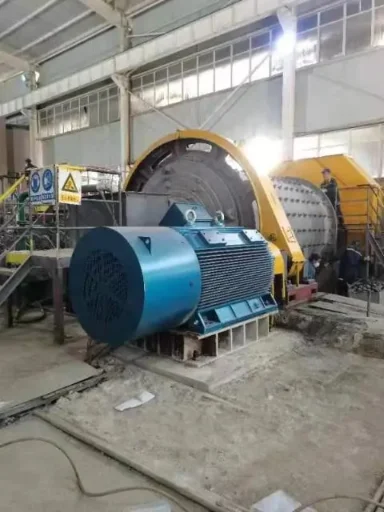
Some mills run fine with a reducer, especially if you have legacy mounts and a narrow outage window. Still, there are cases where gearless is the clean answer.
Very large drums, tough starts, and sites with high power tariffs are classic matches. A gearless direct drive mill motor removes mechanical losses and simplifies upkeep. If your team keeps losing time to gear oil, alignment, or lash creep, the calculus moves even faster toward gearless.
The build should match your duty, not the other way around. You want engineering notes that talk in torque, heat, and fit—plain language and clean drawings, not buzzwords. You also want factory data that tests at your real points, not only at no-load.
Qingdao Enneng Motor Co., Ltd. focuses on permanent magnet synchronous motors for industrial jobs where torque at slow speed rules the day. Typical fields include grinding mills, cable machinery, oilfield pumping, conveyors, agitators, and test rigs. Each unit is checked for torque ripple, vibration, and temperature rise at continuous duty. Sizing support covers shaft choices, flange sets, and cooling options, so your team can line up mechanics and controls without guesswork.
Q1: How much power can a PM motor save on a typical mill?
A: Many sites report 5–10 percent lower electrical draw at like-for-like throughput. Add cooling cuts and maintenance savings, and total savings rise further over a year.
Q2: Is a PM motor suitable for slow, high-torque duty on large drums?
A: Yes. PM machines deliver high torque at low speed and hold it steady. With gearless layouts, you also avoid gear lash and related surges.
Q3: What is a simple path to retrofit on a live plant?
A: Verify torque needs, check mechanical fit, update the inverter and feedback, then run a short pilot with full trending. Adapter plates can help match the old footprint.
Q4: Does a PM motor help with process stability?
A: The smoother torque helps the mill hold a consistent cascade. Operators often see calmer current traces and fewer nuisance alarms during feed swings.
Q5: How does this fit into an energy-efficient grinding system?
A: A PM machine trims electrical and thermal losses at the source. Pair it with clean liner profiles, sound media charge, and tidy pump control to lift tonnes per kWh.
If you keep score by tonnes and hours, small drops in loss make a big difference. A PM motor lifts efficiency at part load, runs cooler, and cuts the list of parts that beg for service. That is why so many plants are testing this path. The pieces are proven, and the maths is friendly to your power bill.